Library

Strategic vision
Zero to One by Peter Thiel
Zero to One is a philosophical deep dive into the nature of innovation. It argues that true progress is vertical—moving from 0 to 1 by creating something entirely new, rather than horizontal that simply iterates on existing ideas (1 to n).
Why I recommend it: It challenges the best practices of incrementalism. For leaders, it provides a mental model for identifying "secrets"—unpopular truths that can lead to a 10x improvement—and emphasises the importance of a long-term vision over short-term reactionary moves.
 Follow
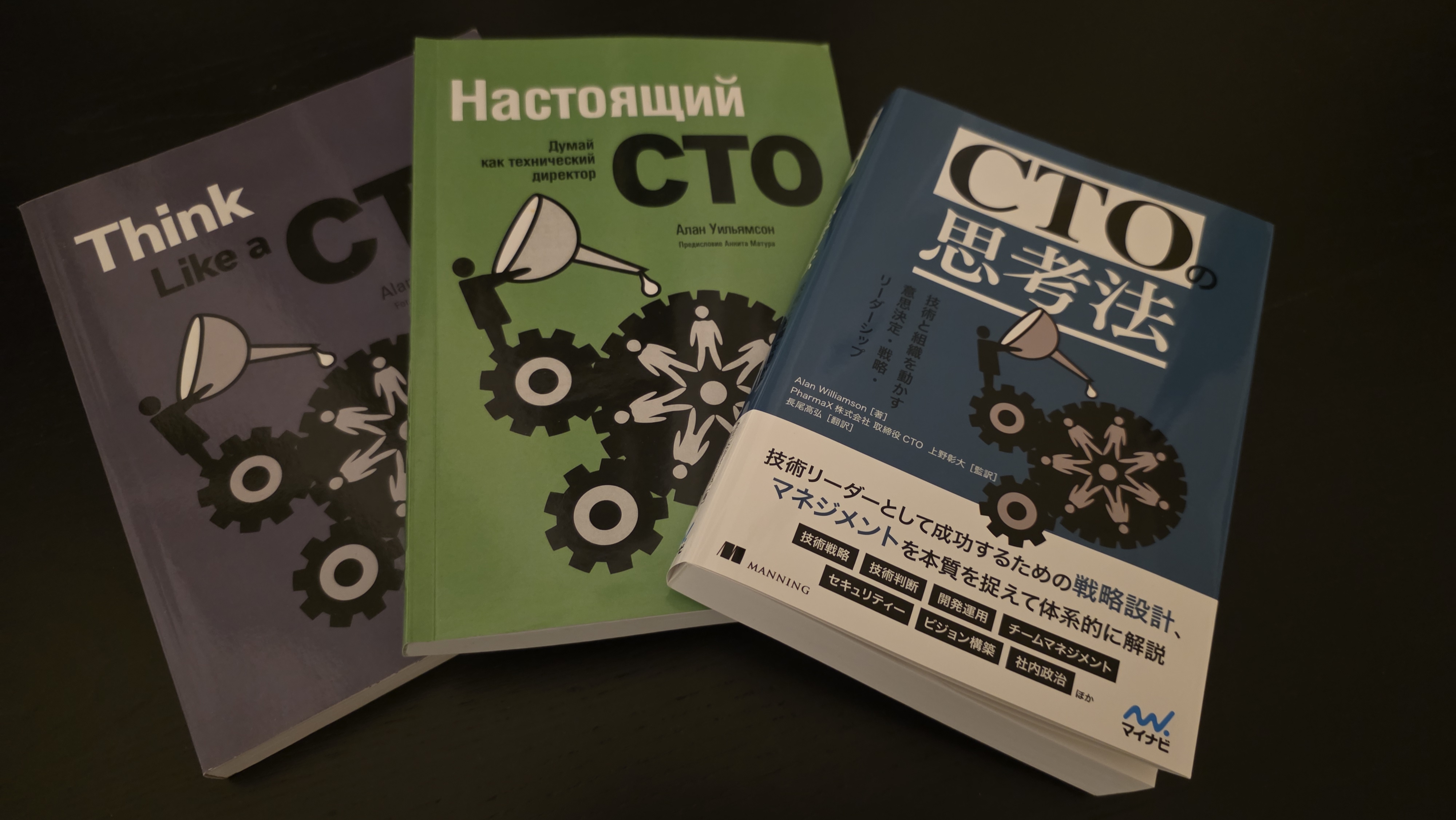
Think Like a CTO by Alan Williamson
Think Like a CTO is a deep dive into the evolution from senior engineer to strategic executive. It focuses on the shift from solving technical puzzles to driving business growth, offering a roadmap for balancing long-term technical health with immediate commercial objectives.
Why I recommend it: It provides a clear blueprint for the mental pivot required to lead at the executive level. It’s particularly valuable for learning how to translate complex technical roadmaps into the language of ROI and business value—the core job of any high-impact CTO.

The fractional delivery model
Fractional Leadership by Ben Wolf
Fractional Leadership explores the strategic advantages of the part-time executive model for mid-sized and growth-stage companies. It outlines how organisations can access high-tier leadership—like a Fractional CTO—to solve complex structural bottlenecks and implement professional-grade processes without the commitment of a full-time hire.
Why I recommend it: This book perfectly articulates the fractional value proposition: providing enterprise experience to companies that aren't yet ready for a high-profile executive. It’s a great resource for founders to understand how to bridge leadership gaps with surgical, high-leverage expertise.
 Follow
The Business of Expertise by David C. Baker
The Business of Expertise is a foundational guide for independent consultants on how to position their knowledge for maximum impact. It explores the shift from selling labor to selling perspective, focusing on how specialists can solve high-stakes problems with surgical precision.
Why I recommend it: This book is a definitive resource for moving into high-end technical advisory. It emphasises that a Fractional CTO’s greatest value is not just years of technical execution, but the unique perspective and pattern matching brought to a growing business.
 The Business of Expertise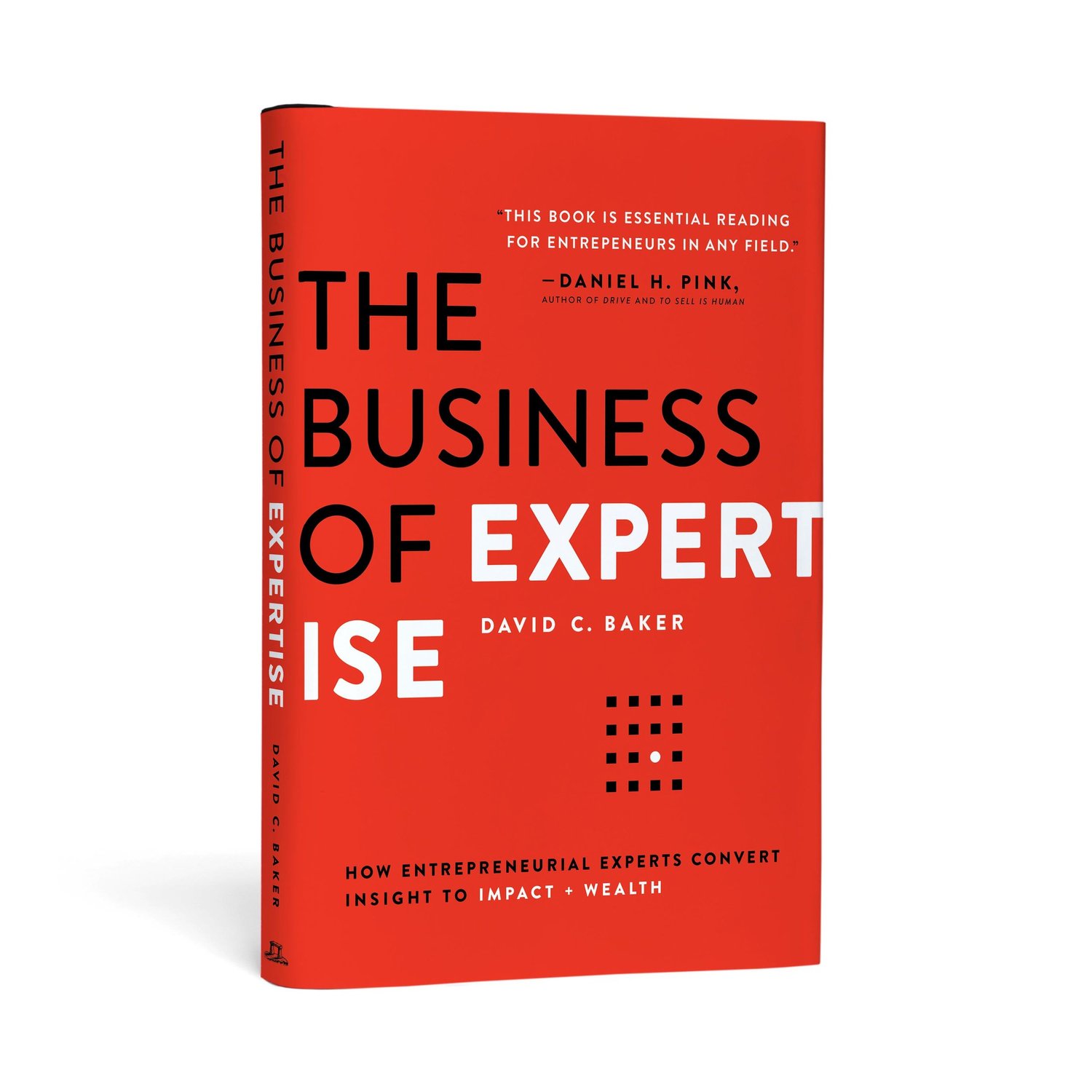
Execution & agility
Sprint by Jake Knapp
Sprint offers the greatest hits of business strategy, innovation, and design thinking packed into a battle-tested five-day process. Developed at Google Ventures, it’s a practical guide for teams to move from a problem to a tested prototype in a single week.
Why I recommend it: It is the ultimate tool for overcoming the analysis paralysis. It teaches engineering and product leaders how to stop debating and start testing with real users. The book provides a structured way to get a diverse team (engineers, designers, and stakeholders) aligned on a single goal without the friction of endless meetings.


The Phoenix Project by Gene Kim, Kevin Behr, and George Spafford
The Phoenix Project is a fictionalised account of a common reality: a high-stakes project on the brink of failure. It provides a blueprint for how to bridge the gap between business goals and technical execution.
Why I recommend it: It provides the vocabulary needed for CTOs to talk to CEOs about technical debt, "The Three Ways", and why "Fast" and "Safe" are not mutually exclusive.
 To Author Archive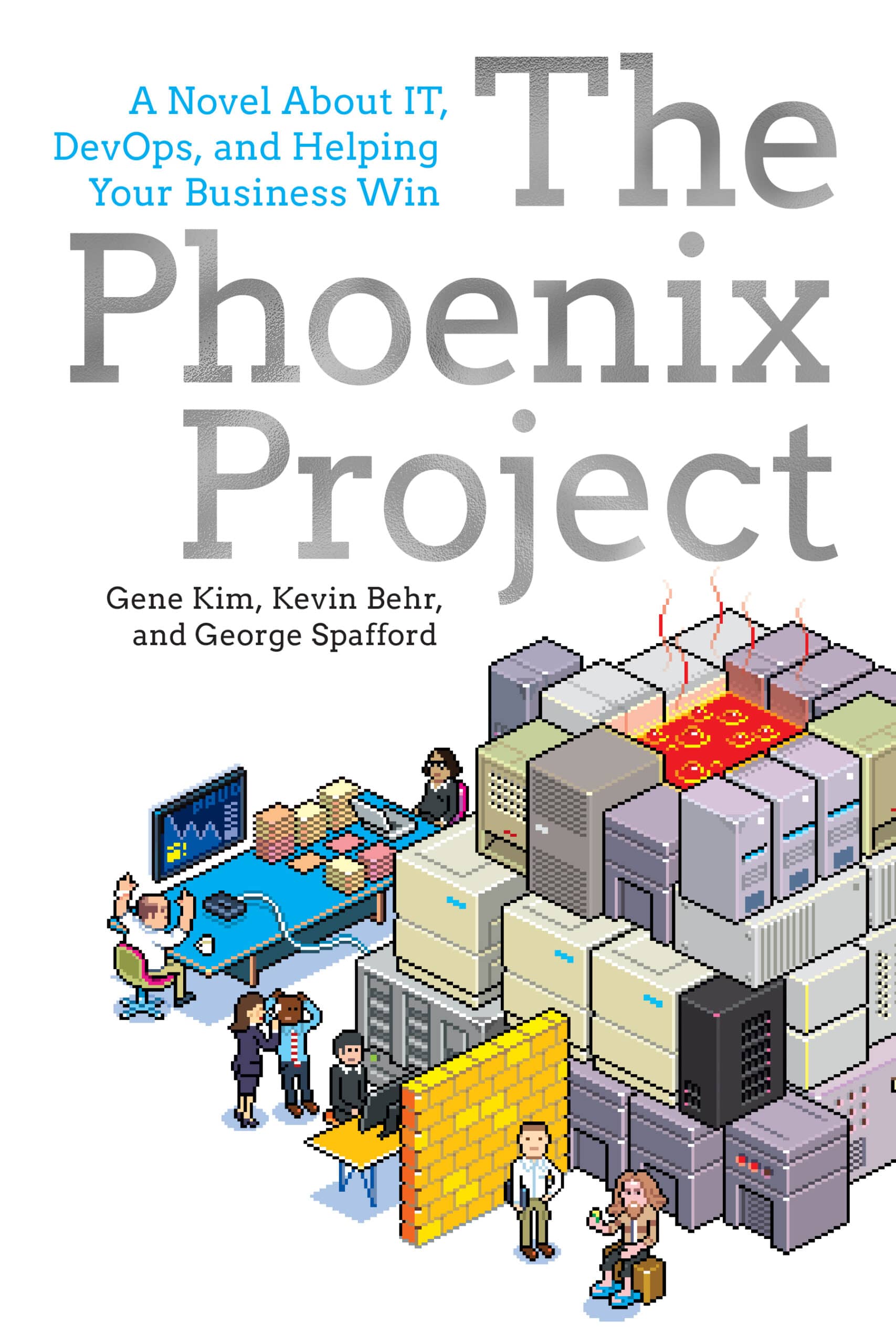
People & engineering culture
Leading Effective Engineering Teams by Addy Osmani
Leading Effective Engineering Teams is a comprehensive manual on building high-performing engineering cultures. It translates over a decade of Google’s internal research and real-world leadership experience into actionable strategies for improving team dynamics and technical output.
Why I recommend it: It introduces the "3 E’s" framework (Enable, Empower, Expand) and provides a data-backed blueprint for fostering psychological safety, clarity, and impact within an organisation. It is essential for leaders who want to move beyond simple "efficiency" to true "effectiveness" by focusing on coaching over control.
 Addy Osmani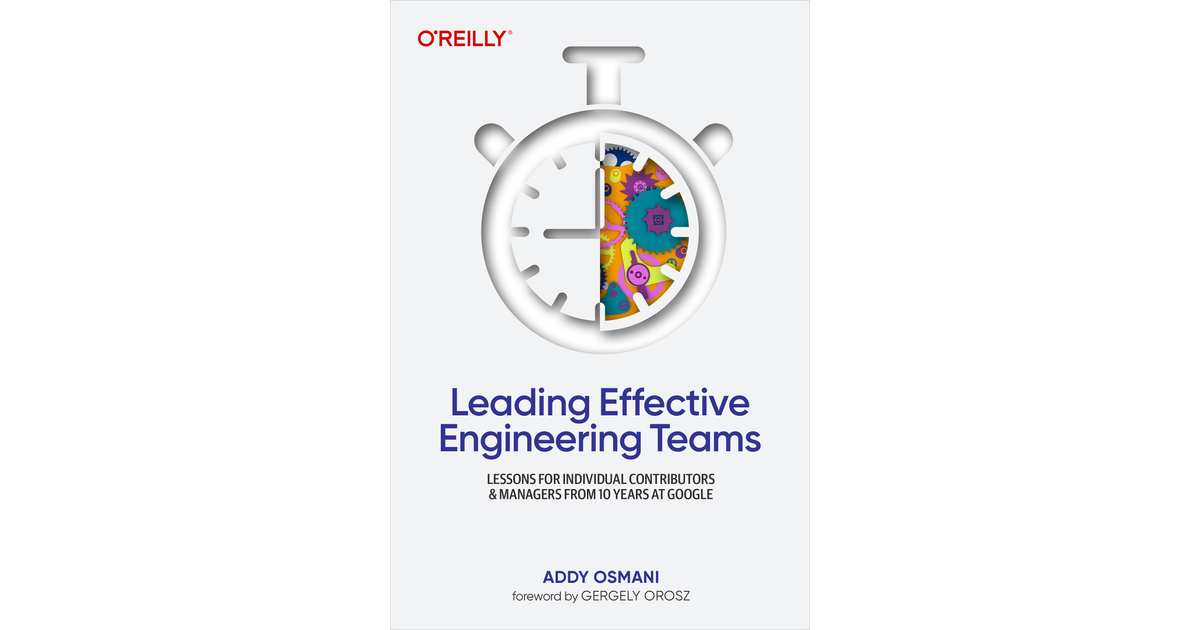
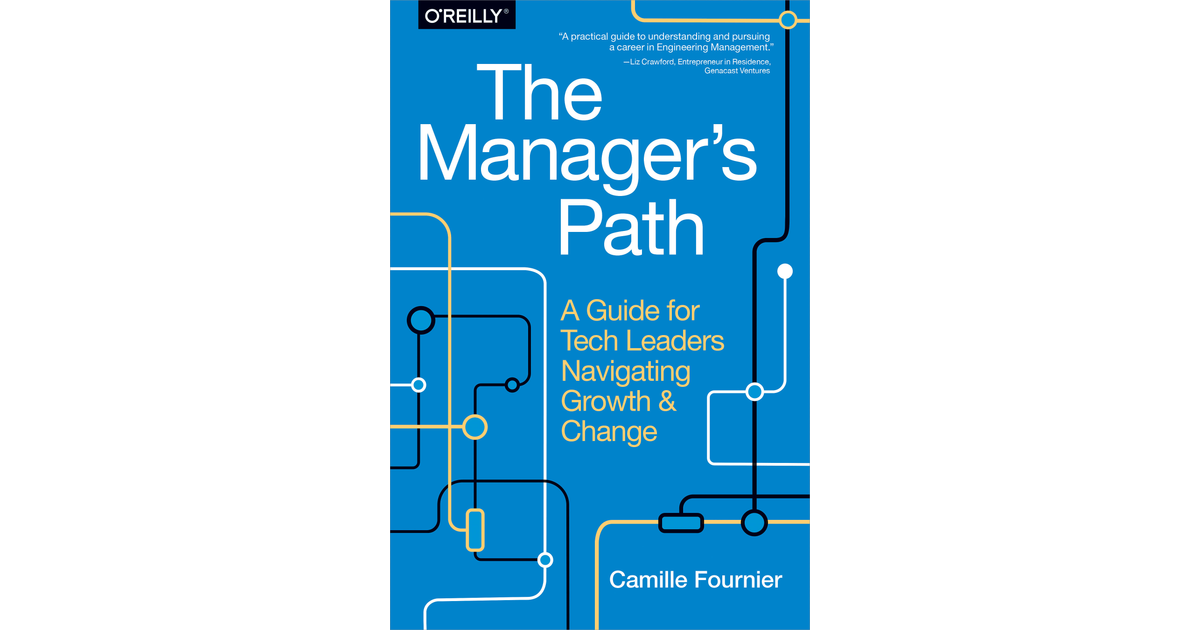
The Manager’s Path by Camille Fournier
The Manager’s Path is an essential guide for navigating every stage of technical leadership, from mentoring individuals to managing entire organisations. It provides a realistic framework for building team trust, managing technical debt, and maintaining a high-quality engineering culture during periods of rapid growth.
Why I recommend it: It is the most practical field manual I’ve found for scaling engineering teams. It offers a grounded perspective on how leadership roles change at different company sizes, helping leaders avoid the common pitfalls of micromanagement or technical drift as an organisation expands.
 Camille Fournier