Your model passed testing, then met different data in production
A model that disappoints in production is often not predicting worse; it is being fed different data than it was tested on. The fix starts with an owner for one check, not with a new tool.
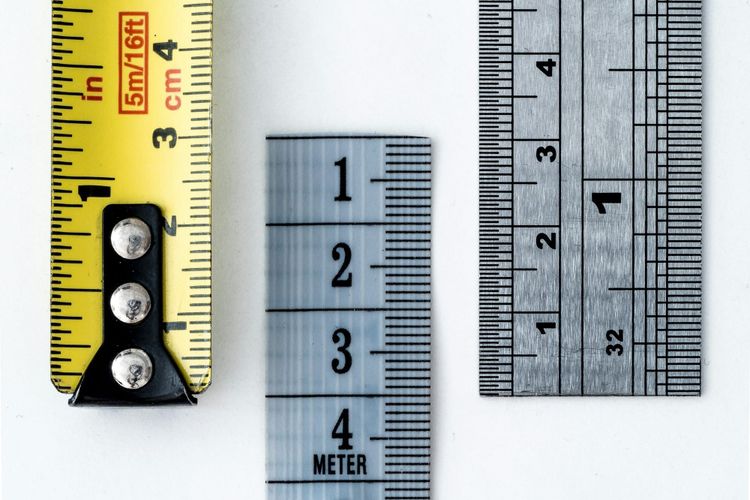
AI reads the number, but who tells it the unit?
When a number looks wrong, people notice and complain, and that complaint has quietly enforced every data contract. An AI agent can only check what is written down, so the contract has to say what the data means: units, empty values, valid ranges.
Your data product has contributors but no owner
Most data platforms have engineers accountable for whether data arrives. Almost none have anyone accountable for whether it is correct, trusted, and fit for the decision it is supposed to support — and that missing accountability is the root cause most data quality investigations never reach.
Data quality is not an engineering problem
Most data quality problems are not engineering failures. They are quality decisions nobody made — thresholds inherited by default, definitions that were never agreed, policies that exist only as institutional habit.
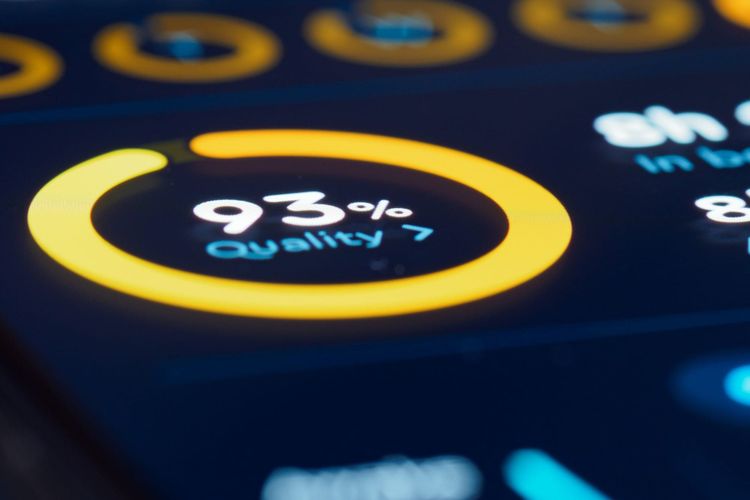
Your dashboards are green. That does not mean your data is correct.
Data observability tells you when something broke, but it does not tell you whether the data was ever correct. Confusing the two is one of the most common sources of false confidence in a data platform.